Professional, Efficient, and Surface-Safe Pavement Marking Removal
When old or incorrect road markings need to be eliminated, precision matters. Our Pavement Marking Removal services ensure your surfaces are clean, safe, and ready for new striping—without damaging the underlying pavement. Whether you’re updating traffic patterns, refreshing worn markings, or preparing for construction, we provide fast, reliable solutions that meet city, county, state and federal roadway standards.
Why Pavement Marking Removal?
Pavement marking removal is necessary to maintain safe, clear, and compliant roadway conditions. When existing markings conflict with new or temporary traffic patterns, they can confuse drivers and lead to unsafe situations. Removal ensures that only the correct, intended guidance is visible to motorists.
Old or incorrect markings may remain visible through new paint, especially if they are deeply embedded or reflective. These “ghost lines” can mislead drivers, cause lane-tracking errors, and increase the risk of crashes. Removal is also required when pavement surfaces are resurfaced, repaired, or reconfigured, such as during lane shifts, detours, or permanent roadway redesign.
In addition, transportation agencies mandate marking removal to comply with standards such as the Manual on Uniform Traffic Control Devices (MUTCD), which specifies that pavement markings must be clear, unambiguous, and consistent with current traffic control plans. Proper removal also improves the visibility and durability of new markings by providing a clean, uniform surface for application.
Overall, pavement marking removal is essential for motorist safety, regulatory compliance, correct traffic guidance, and high-quality installation of new markings.
Mechanical Method
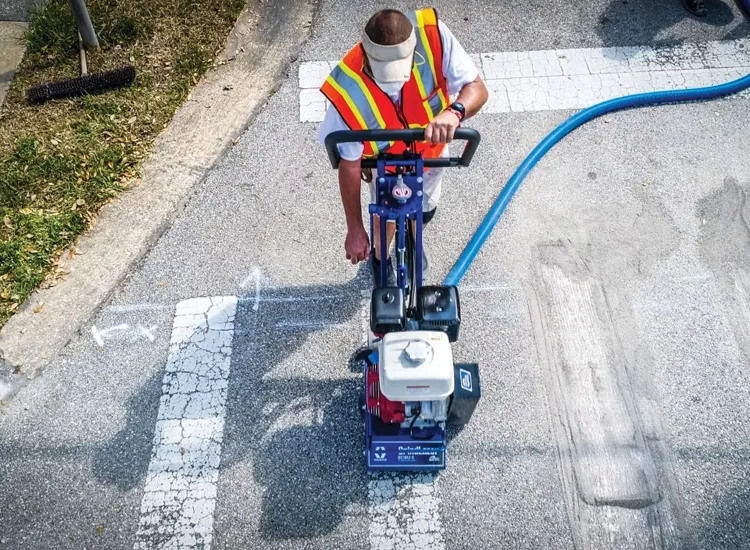
Our Mechanical Method requires a rotating drum with interchangeable abrasive heads to physically mill off markings.
Effective for thick markings and thermoplastics
Widely available and relatively low cost
However:
Leaves scarring or texture differences (“ghost lines”)
Generates dust/debris
Recommended for:
Asphalt and concrete surfaces
Removal prior to restriping or layout changes
Shot Blasting / Sandblasting
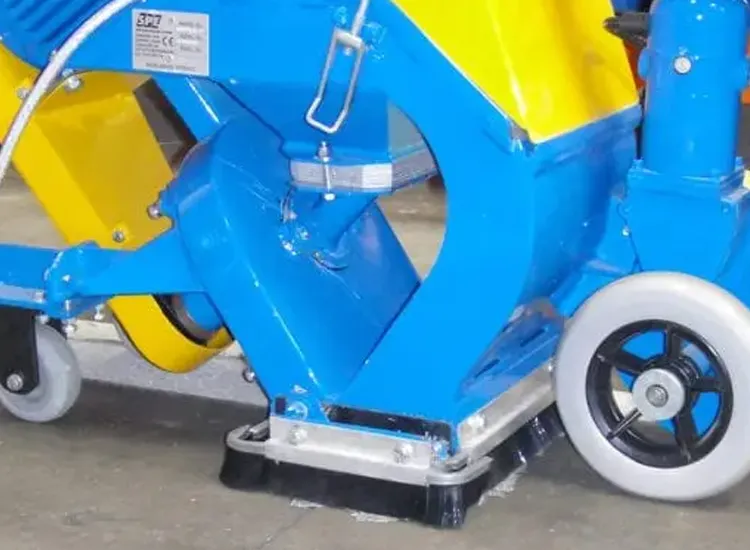
High-velocity steel shot or sand is blasted at the pavement surface.
Fast and efficient
Less aggressive than grinding
Good for large surfaces
However Shot Blasting / Sandblasting:
May still scar pavement
Requires debris recovery system
Noisy and dusty without proper containment
Recommended for:
Parking lots, runways, bridges
Removing paint-based markings
Waterblasting (Hydroblasting / Water Jetting)
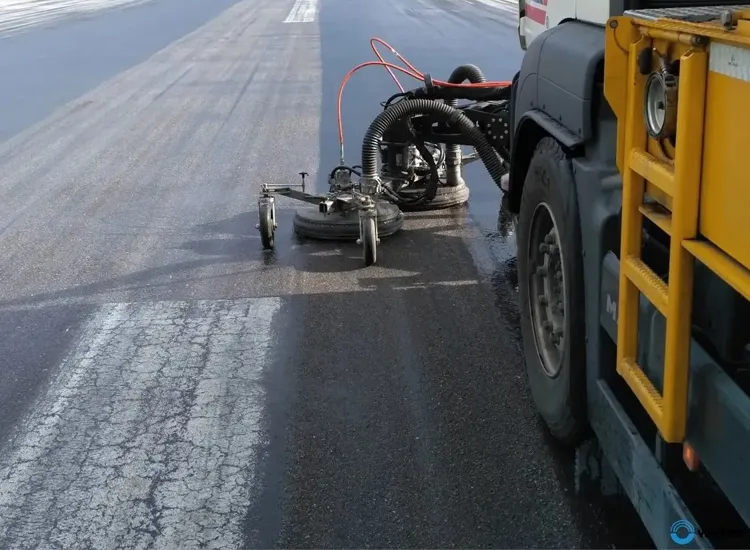
Uses ultra-high-pressure water (20,000–40,000 psi) to remove markings without harming pavement.
Minimal pavement damage
Removes paint and thermoplastic cleanly
Environmentally friendly if vacuum recovery is used
However Waterblasting:
More expensive
Equipment is specialized
Can leave a wet surface requiring drying time
Recommended for:
Airports, highways, concrete surfaces
Places where scarring must be minimized
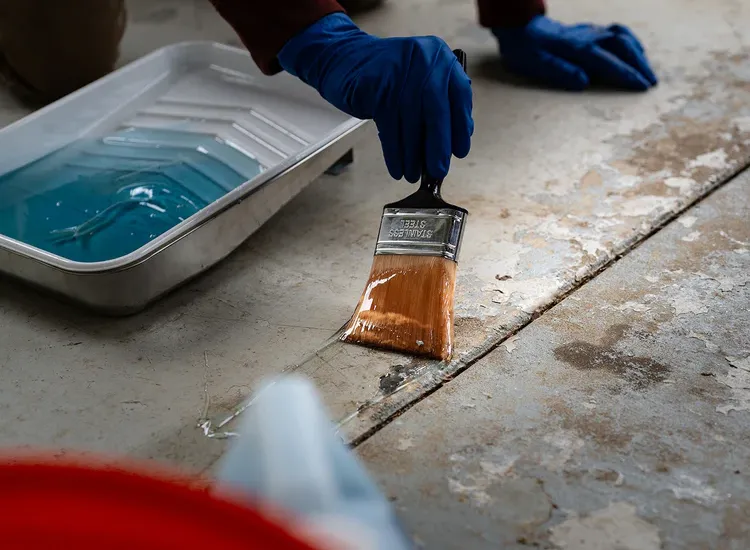
Chemical Removal
Chemical solvents or paint removers break down the pavement marking material.
Good for delicate surfaces
Minimal mechanical damage
However Chemical Removal:
Environmental and safety concerns
Slow and labor-intensive
Not suitable for thick thermoplastics
Recommended for:
Interior floors (warehouses)
Small touch-up removal
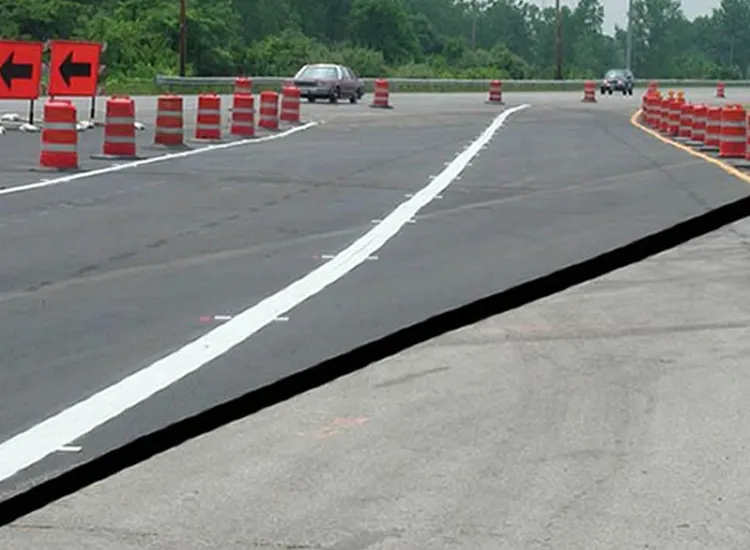
Blackout
Instead of removing, the marking is covered with black paint or tape.
Fast and inexpensive
No pavement damage
However Blacking Out:
Does not entirely eliminate ghosting
Black masking may fade
Not acceptable in many road standards (temporary only)
Recommended for:
Temporary traffic pattern changes